Finding Dependable Pest Control Services in Your Local Area
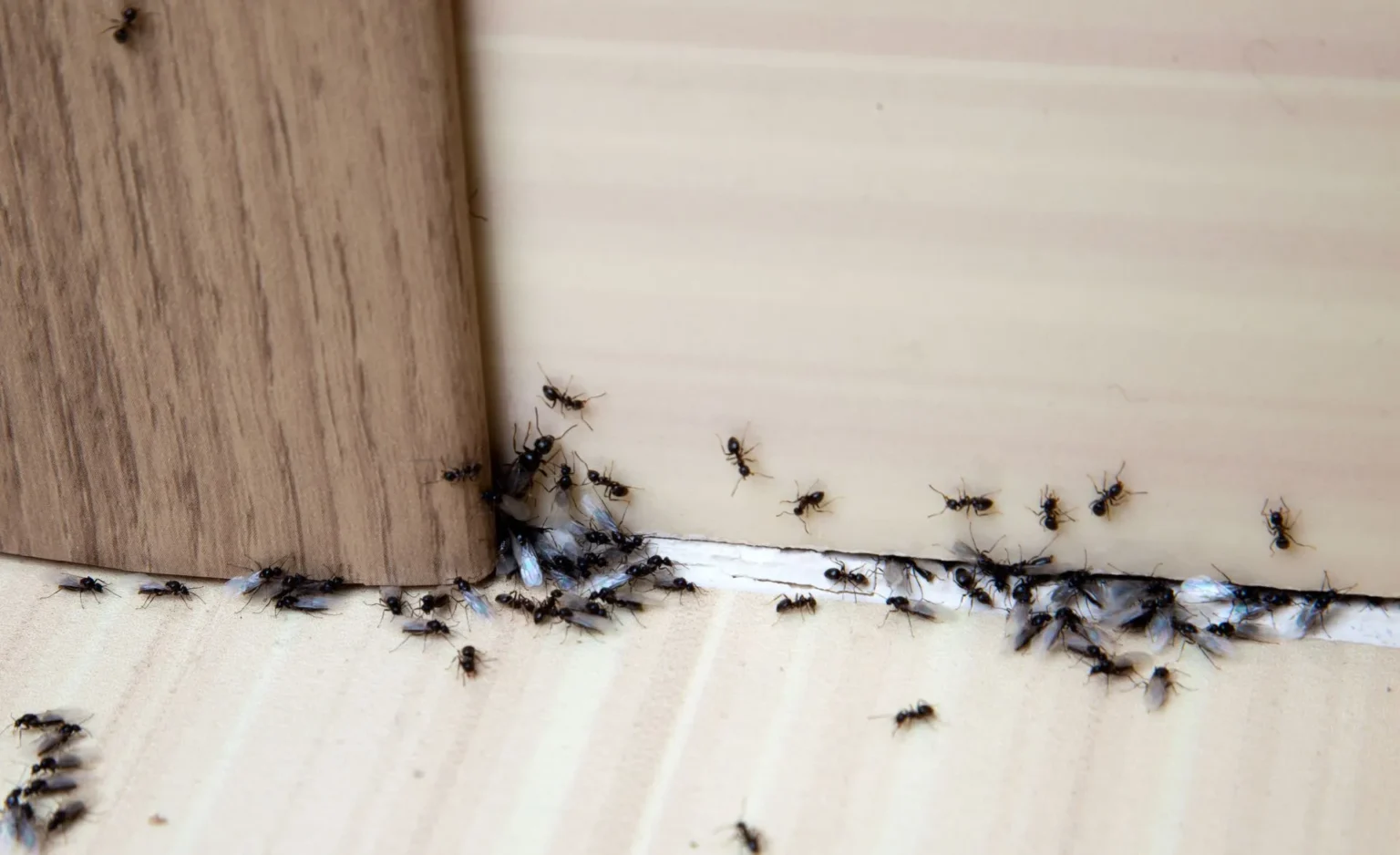

A pest problem rarely arrives at a convenient time. It usually starts with a small sign that is easy to dismiss, a trail of ants under the sink, scratching in the attic after midnight, droppings behind the water heater, a wasp nest under the eaves that somehow seems larger every afternoon. Then the situation shifts from irritating to disruptive. Food storage changes, sleep suffers, pets get curious, children start asking questions, and every unexplained sound takes on new meaning.
That is the moment when many homeowners and business operators begin searching for Pest Control Services. The search itself can be surprisingly difficult. Local results are crowded, reviews often contradict each other, prices vary widely, and every company seems to promise fast, safe, complete results. Some firms are excellent. Some are merely adequate. A few rely on aggressive sales tactics, shallow inspections, or one-size-fits-all treatment plans that do not hold up once the first visit is over.
Choosing well matters because pest control is not just about spraying chemicals and hoping for the best. It is about diagnosis, risk assessment, access points, sanitation, moisture conditions, structural vulnerabilities, timing, follow-up, and communication. The right company helps solve the problem with as little disruption as possible. The wrong company can leave you paying for repeat visits while the infestation keeps expanding behind walls, under slabs, or inside insulation.
What dependable service actually looks like
Dependability in pest control starts before any treatment happens. A reliable technician or inspector does not walk in, glance at the problem area, and immediately reach for a standard package. They ask questions. When did you first notice activity? Is it seasonal or constant? Has construction happened nearby? Have you tried store-bought products? Are there pets, children, sensitive plants, fish tanks, or crawlspace moisture issues? The quality of those early questions tells you a lot.
A dependable company also explains what it sees in plain language. If you are dealing with German cockroaches, you should hear why that matters and how their habits differ from larger outdoor roaches. If you have termites, you should hear whether the evidence suggests old damage, active tubes, or swarm activity. If rodents are entering through utility gaps, roof returns, or garage door corners, that should be pointed out specifically, not buried in vague language about “entry opportunities.”
Good pest control is investigative by nature. One of the clearest signs of professionalism is whether the company is trying to identify the source of the problem, not just the visible symptoms. Ants in a kitchen may be tied to a colony in a wall void, mulch bed, or damp window frame. A string of mosquitoes around a patio may have less to do with the yard itself than with clogged gutters two houses over, though a skilled local operator will still know how to reduce activity on your property. Rodent issues often come down to exclusion work, and that means sealing routes, not just setting bait.
Dependability also shows up in restraint. The best companies do not oversell panic. They are calm, precise, and realistic about timelines. Bed bugs, for instance, demand a very different level of preparation and follow-up than a routine perimeter treatment for occasional spiders. Flea issues in a home with indoor pets require coordination with a veterinarian and environmental treatment. Drywood termites and subterranean termites are not interchangeable problems. Reliable professionals make those distinctions clear.
Why local knowledge matters more than most people realize
Pest pressures are intensely local. Two neighborhoods in the same city can have very different issues depending on age of homes, drainage patterns, nearby woods, restaurant density, stormwater systems, and even the type of foundation common in that part of town. A company that truly https://garrettkcyc978.tearosediner.net/how-eco-conscious-pest-control-services-support-sustainable-living works your area every week usually knows what spikes after heavy rain, what surges during drought, and what tends to show up during mild winters.
That kind of local pattern recognition saves time. I have seen situations where a national call center booked a treatment based on the customer’s description, only for the technician to arrive and discover the problem was misidentified from the start. The homeowner thought they had termites because of winged insects near a window. They were actually seeing ant swarmers. Those are not the same conversation, not the same risk level, and not the same treatment path. A seasoned local technician often catches that distinction within minutes.
Local knowledge also affects scheduling and follow-through. In some regions, mosquito work has a narrow window where timing really improves results. In others, attic rodent work becomes urgent at the first drop in nighttime temperatures. If your area deals with heavy palmetto bug pressure in summer, or cluster flies in fall, or overwintering stink bugs, an experienced local provider will discuss prevention before the complaint becomes severe.
There is also practical value in local reputation. A business that has served one area for years has more to lose from poor workmanship. That does not automatically make every long-standing local company excellent, but it does mean you can often gather more meaningful feedback from neighbors, property managers, and local community groups than from generic review sites alone.
The warning signs in a sales process
Not every polished website reflects a polished operation. Some of the most common problems become visible before the first treatment is even scheduled.
If a company quotes a firm price for a complicated problem without asking many questions, that is worth pausing over. Simple recurring services can often be priced quickly. A deeper issue such as termites, bed bugs, rodents in multiple wall voids, or persistent cockroach activity usually requires inspection. Without that, the price may be unrealistically low to get someone in the door, or padded high to cover uncertainty.
Another concern is a guarantee that sounds absolute but remains fuzzy when you ask for details. “We will solve it completely” sounds reassuring until you ask what happens if activity returns in three weeks, whether follow-up visits are included, whether exclusion repairs are covered, and whether the guarantee applies to all pest types or only selected general household pests. Terms matter.
Pay attention to how the company discusses pesticides. A serious firm should be able to explain where products may be applied, what precautions matter, what reentry guidance applies if relevant, and why a certain material or method fits the target pest. If the explanation amounts to “don’t worry, it’s all safe,” that is not enough. Safety is about application, exposure, placement, and adherence to label directions, not vague reassurance.
The final red flag is pressure. Some pests require prompt action, yes, but urgency should come from the facts of the infestation, not from a script designed to rush you into an annual contract before you understand what is being sold.
Reviews are useful, but only if you read them correctly
Consumers often make the mistake of looking only at the star rating. That number matters less than the pattern behind it. A dependable pest control company may have a few negative reviews, especially if it handles difficult infestations where outcomes depend partly on customer preparation and cooperation. What you want to see is whether complaints share a theme.
If several people mention missed appointments, poor communication, unexplained charges, or recurring pest activity with no meaningful follow-up, take that seriously. If complaints focus instead on things like a technician being late on a storm day but management responded and corrected the issue, that carries less weight.
Read for specifics. The strongest reviews mention the actual pest involved, how the technician handled the inspection, whether the company explained the cause, and whether the problem stayed resolved over time. A review that says “great service” is pleasant but not very informative. A review that says, “They found two rodent entry points above the garage, sealed them, reset traps, and we have had no attic noise in four months,” tells you much more.
It is also useful to notice whether the company responds professionally to criticism. A calm, factual response often suggests good internal processes. A defensive or dismissive reply can reveal more than the original complaint.
Questions worth asking before you hire anyone
A strong hiring decision often comes down to a short, direct conversation. You do not need industry jargon. You need clarity. These questions usually separate careful operators from casual ones:
- What pest do you believe I am dealing with, and what evidence supports that?
- What is included in the inspection and treatment, and what is extra?
- Will you address the cause, such as entry points, moisture, or nesting conditions, or only the visible activity?
- How many visits are typical for this type of problem, and what happens if it returns?
- Are there preparation steps or safety precautions I need to follow before or after service?
If the answers are clear, specific, and not overly rehearsed, that is a good sign. If you get vague assurances instead of direct responses, keep looking.
The difference between routine service and problem-solving service
Many customers assume all Pest Control Services operate the same way. In practice, there is a big difference between routine maintenance and active infestation work.
Routine residential service often involves exterior inspection, perimeter treatment where appropriate, removal of webs or wasp nests within reach, monitoring of common harborage areas, and advice on prevention. When performed well, this can reduce the likelihood of seasonal invaders and keep minor issues from escalating. It is a maintenance model.
Problem-solving service is more targeted. It may involve baiting in cracks and crevices for roaches, detailed rodent trapping plans, insect growth regulators for flea problems, dust application in voids, attic and crawlspace inspection, or termite-specific treatment methods. It can require multiple visits and some cooperation from the customer, especially in cluttered spaces, multifamily housing, food-service environments, or older homes with many hidden gaps.
The frustration many people feel comes from buying one when they really need the other. If you have a single occasional spider, a regular service plan may be enough. If you have rats nesting in insulation and using wall chases to reach the kitchen, a generic spray program is not the answer. A dependable company tells you which category you are in.
Price matters, but cheap service often gets expensive
There is nothing wrong with comparing bids. You should. Pest control pricing varies by region, home size, pest type, infestation level, and whether follow-up is included. Still, the lowest quote can be misleading.
A very low initial price sometimes means the inspection will be rushed, the service scope narrow, or the real revenue tied to upsells once the technician arrives. On the other side, the highest price is not automatically better. I have seen expensive packages built around broad annual agreements when the customer really needed a focused correction, not a long membership.
A more useful way to judge cost is to ask what problem the company is taking responsibility for solving. For a recurring ant issue, that may mean finding and treating the colony path, not just applying a perimeter product. For rodents, that may include exclusion recommendations, trap monitoring, and sanitation guidance. For termites, the value lies in treatment method, warranty terms, and whether inaccessible risk areas were discussed honestly.
A competent company may not be the cheapest on day one, but it often becomes the least expensive over six months because the work holds. Repeat retail sprays, replacement food, damaged wiring, stained insulation, and missed work for repeated appointments all cost money too.
Licensing, insurance, and training are not technicalities
This part is less glamorous than product talk, but it matters. Pest control involves regulated materials, structured application methods, and legal responsibilities. A dependable company should be properly licensed as required in its state or locality. If technicians are working under a business license, there should still be a clear system of supervision and training.
Insurance matters because pest control work can involve ladders, crawlspaces, attics, outbuildings, and occasionally delicate interiors. If accidental damage occurs, you want a legitimate business with coverage and a process for addressing it.
Training is the piece customers rarely ask about, though they should. Pest management changes over time. Products are updated, labels change, resistance patterns emerge, and best practices evolve. A company that invests in training tends to diagnose more accurately and use materials more responsibly. You do not need a lecture on formulations, but you do want evidence that the person treating your home is not guessing.
Homes, apartments, and businesses each need a different approach
One reason online advice can fail people is that building type changes everything. A detached home offers one set of control options. An apartment introduces shared walls, neighboring sanitation variables, and management coordination. A restaurant or small retail store involves a different standard of documentation and a higher need for discreet, frequent service.
In single-family homes, exclusion and habitat reduction often have a strong payoff. Trimming vegetation back from the siding, correcting door sweeps, sealing utility penetrations, drying crawlspaces, and managing outdoor food sources can dramatically reduce pest pressure. In apartments, those same steps may help, but they are not always sufficient if the source unit remains untreated. That is where a dependable provider communicates clearly with the property manager and explains what can and cannot be controlled from one unit alone.
Commercial spaces add another layer. Businesses need reliability, after-hours options in some cases, clear reporting, and technicians who understand how to work around customers and staff. A good residential company is not automatically equipped for food-service pest management. The best local firms know their lane and say so.
When “green” claims deserve a closer look
Many customers now ask for low-impact or eco-conscious options, and that is reasonable. There are excellent integrated approaches that reduce unnecessary chemical use by emphasizing inspection, exclusion, sanitation, monitoring, mechanical trapping, and targeted treatment rather than blanket application.
Still, be cautious around vague “green” claims. Natural does not always mean effective, and effective does not always mean low-risk in every context. Essential-oil-based products, for example, may have a role in certain limited applications, but they are not a universal answer for established infestations. A dependable company discusses trade-offs honestly. If a lower-toxicity approach may require more visits, stricter sanitation, or slower suppression, you should hear that upfront.
The best sign of professionalism is not a buzzword but a method. When a technician explains how they minimize exposure while still addressing the biology of the pest, that is a more trustworthy conversation than any label-heavy sales pitch.
The first visit should leave you better informed
Even before results fully play out, a strong first appointment usually feels different. The technician inspects more than the obvious area. They check likely entry points, moisture sources, harborage zones, and environmental conditions. They tell you what they found and what they did not find. That distinction matters.
You should leave the visit knowing three things: what pest is present or most likely present, what the treatment plan is, and what your role is in preventing recurrence. For some jobs, your role is minimal. For others, it is substantial. If German cockroaches are feeding behind an overloaded sink cabinet packed with damp cardboard and food debris, no treatment plan survives without cleanup. If roof rats are traveling tree limbs onto the roofline, landscape trimming may be part of the fix. Good companies say this respectfully and directly.
Documentation also counts. Whether it is a digital service report or a written summary, you should be able to see what areas were treated or inspected, what products were used if applicable, and what next steps were recommended. Clear documentation is not bureaucracy for its own sake. It gives you a baseline if the problem continues.
Seasonal timing and patience
Some pest issues improve quickly. Others take time. Ant activity may drop sharply within days, depending on the species and treatment method. Roach control often improves in stages, especially in heavy infestations. Rodent work may require an initial spike in trap activity before the population collapses. Termite management is not judged the same way as a spider complaint.
This is where dependable communication matters as much as treatment. A weak company disappears after the first invoice. A strong one explains what progress should look like, what setbacks are possible, and when to call back. If you are told to expect some visible roach activity after a baiting service, that context prevents unnecessary panic. If you are told all activity will stop overnight and it does not, trust erodes fast.
Patience should not mean passivity, though. If a company gave a timeline and nothing is improving within that window, or if the technician seems to repeat the same treatment without reevaluating the cause, ask for a review of the plan. Good operators adjust.
A practical way to narrow the field
If you are staring at ten local companies online and do not know where to start, resist the urge to pick by coupon alone. Instead, shortlist two or three firms that appear established, have reviews with useful detail, and clearly describe the pests they handle. Call them. Pay attention to how the person on the phone responds when you describe the issue. A knowledgeable office coordinator often reflects a well-run operation.
Then compare substance, not polish. Which company asked better questions? Which one explained the likely cause more clearly? Which one was honest about uncertainty? Which one offered a realistic plan instead of the fastest close? That comparison usually points you in the right direction.
Finding dependable Pest Control Services in your local area is less about discovering a perfect company and more about recognizing professional habits. Careful inspection. Specific recommendations. Honest limits. Sensible follow-up. Respect for safety. Familiarity with local pest patterns. Those traits tend to produce the outcome people actually want, a pest problem that gets solved properly and stays solved long enough for normal life to resume.
Affordable Pest Solutions LLC
Phone number: +19732299547
FAQ About Pest Control Services
How much does pest control charge?
For a standard 1,500-square-foot home, professional pest control charges generally average $100 to $300 for an initial visit, with ongoing monthly services running $40 to $75 per visit and one-time emergency exterminations costing $100 to $600, depending heavily on the specific pest and the severity of the infestation.
What is the hardest pest to get rid of?
Bed bugs are widely considered the hardest household pest to get rid of, closely followed by German cockroaches and subterranean termites.
What is included in a pest control service?
A standard pest control service includes a property inspection, targeted treatments, and prevention advice. It typically covers common pests like ants, spiders, and cockroaches, using sprays, baits, or traps.